Programs

Every age,
same care.
Six groups, from the smallest room to school age.

Each group has its own room, its own routine and its own staffing rule. Below, each one is laid out with the caregiver at the centre and the children that caregiver is responsible for around them — which is exactly how Arizona writes the rule, and exactly what a parent is really asking about.

Arizona sets the staffing rule by age: 1:5 for infants, 1:6 at one year, 1:8 at two, 1:13 at three, 1:15 for pre-kinder and 1:20 for school age. Every ring below is drawn to that rule — one caregiver at the centre, and the children they are responsible for around them.

01At a glance

One caregiver, and the children they’re responsible for.

This is the single most useful number in childcare and the hardest one to find on most centres’ websites. Here it is, in the graphic and in writing.

02Infants

The smallest room.

Small groups, safe-sleep practice, and feeding on the baby’s schedule rather than the building’s. An infant room lives or dies on how few babies one adult is holding.
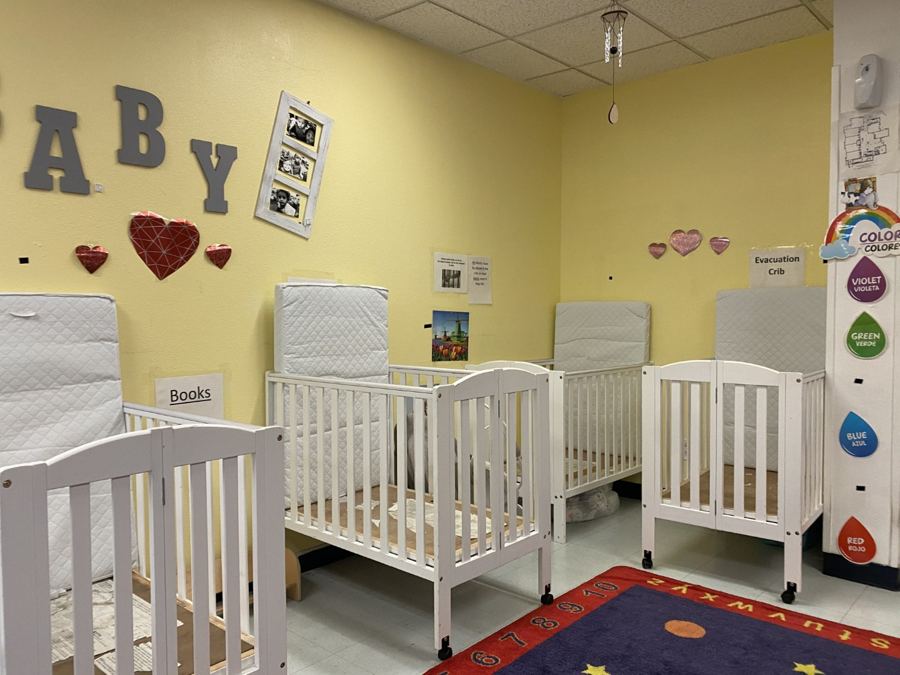
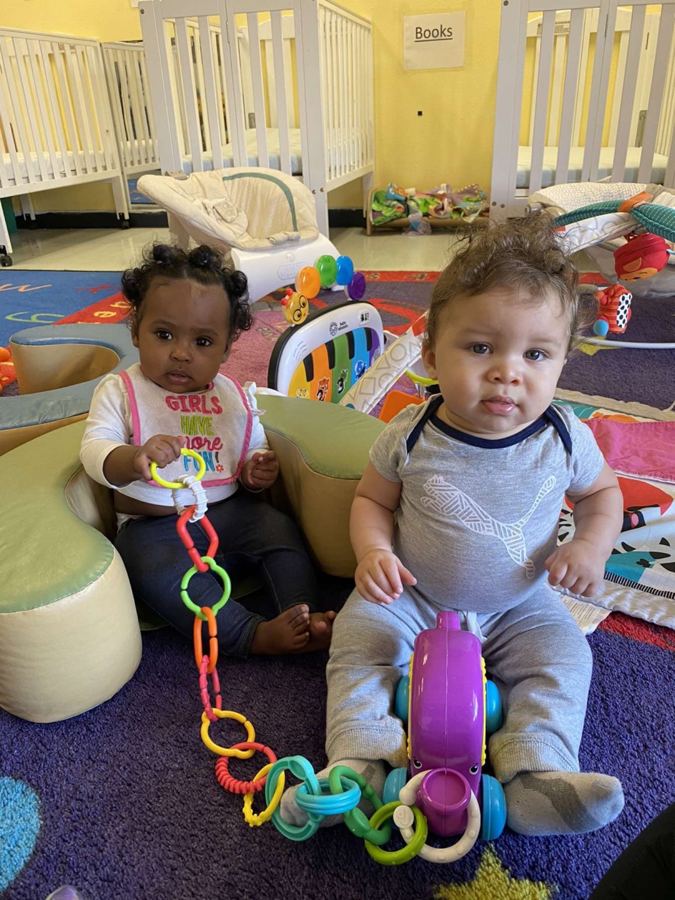
White cribs in the infant roomTwo babies playing with a toy chain

Infant care is the part of a centre a parent should ask the hardest questions about, and the questions are always the same three: how many babies to one adult, who is in the room overnight, and whether the sleep practice is written down and followed.

Here it is five babies to one adult; somebody is in the room all night; and Arizona requires that caregiver to stay awake with sleeping children. Ask any centre the same three questions.

six weeks to one year one caregiver to 5 children infant care runs overnight, the same as every other group

03One year

Busy days, calm nights.

Walking, climbing, and testing every rule in the room — on a routine that holds steady even when a parent’s schedule doesn’t.

The year between one and two is when consistency starts to matter more than activities. A child this age reads the shape of the day — the same room, the same faces, the same order of things — and a rotating shift at home is much easier to absorb when the daytime is predictable.

one to two years one caregiver to 6 children

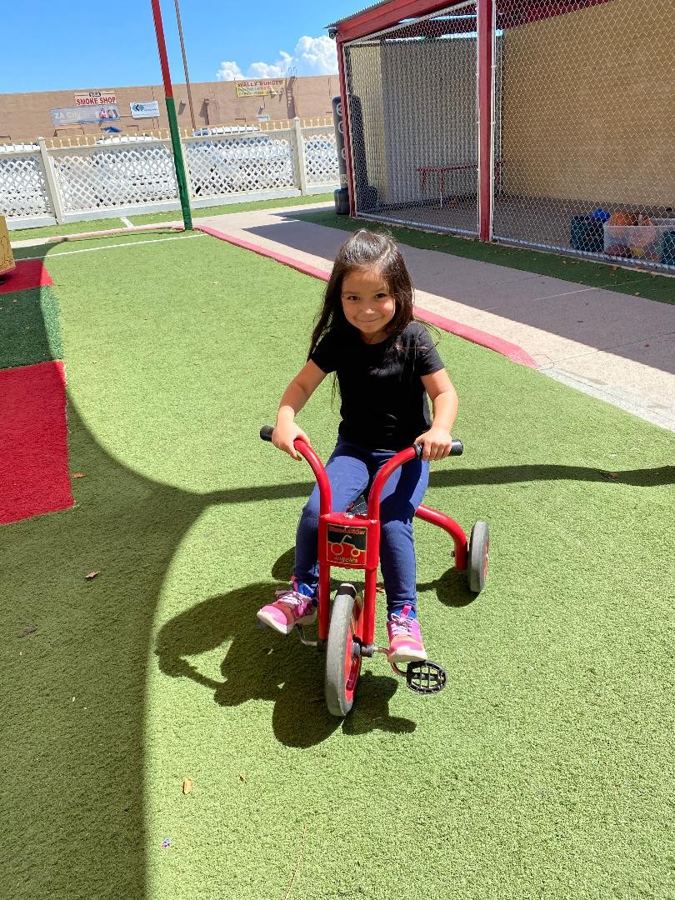
A toddler smiling mid-playA toddler on a tricycle
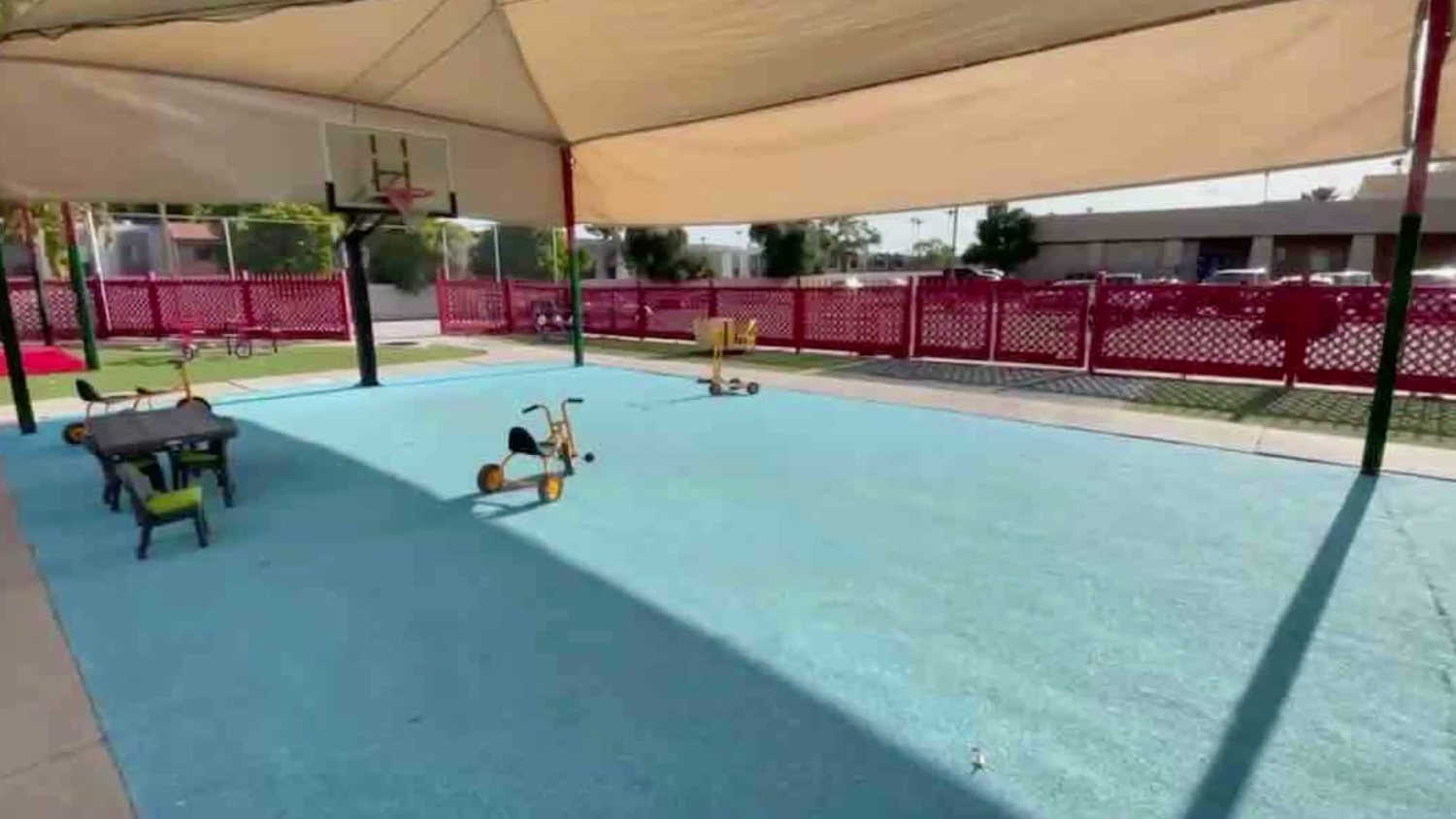
The play court at Nana’s: tricycles and toddler play tables on blue turf under a big shade sail.
The trike court, under the sails.
04Two years

Language, and a lot of it.

The year the talking arrives. Groups get a little bigger and the day gets a lot louder.

Two-year-olds do most of their learning sideways — off other two-year-olds. The staffing rule loosens at this age in every state’s regulations, which is precisely why the exact number is worth publishing rather than describing.

two to three years one caregiver to 8 children

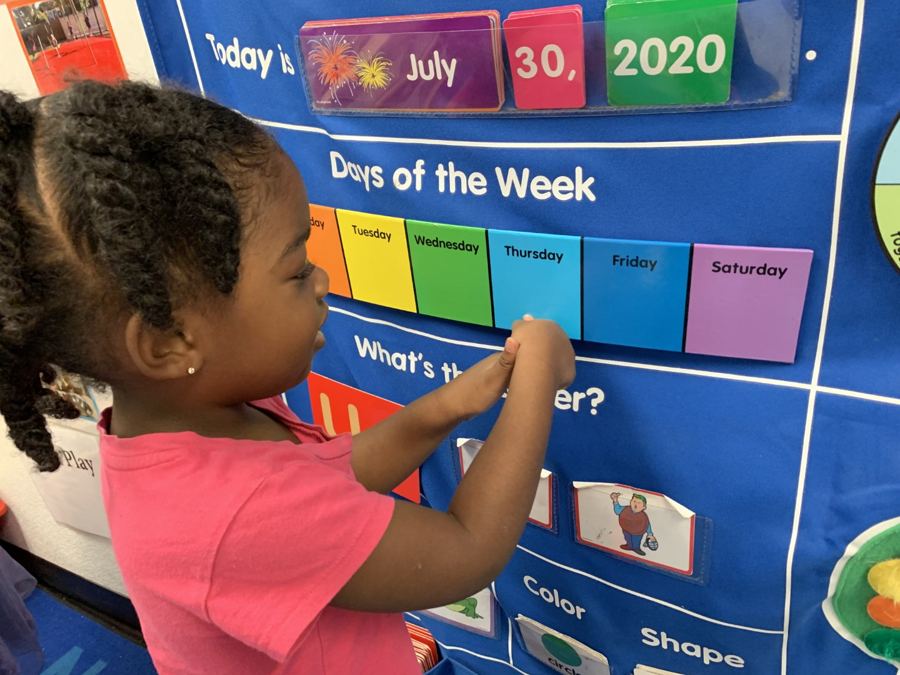
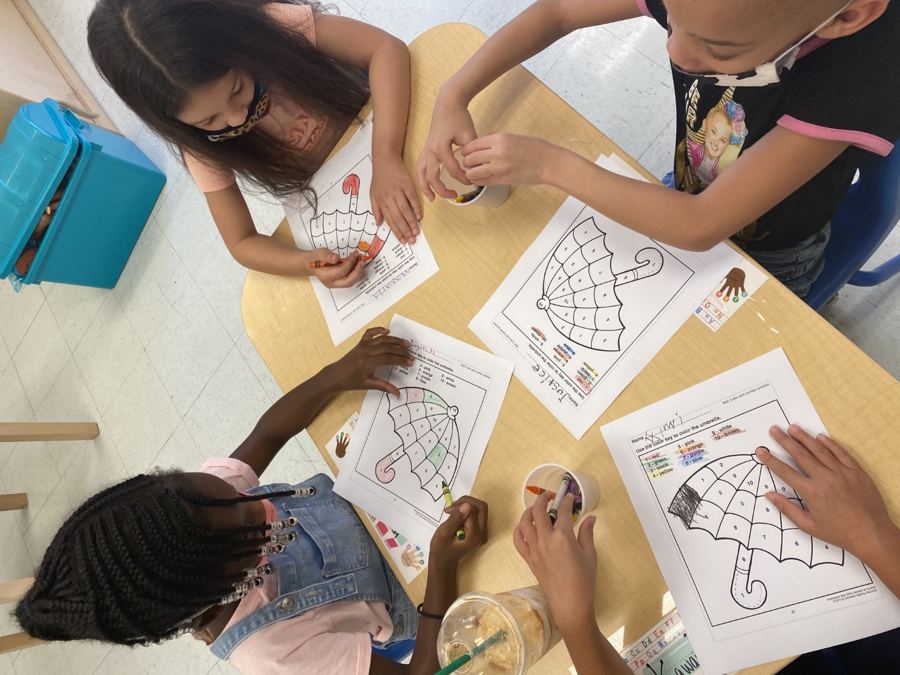
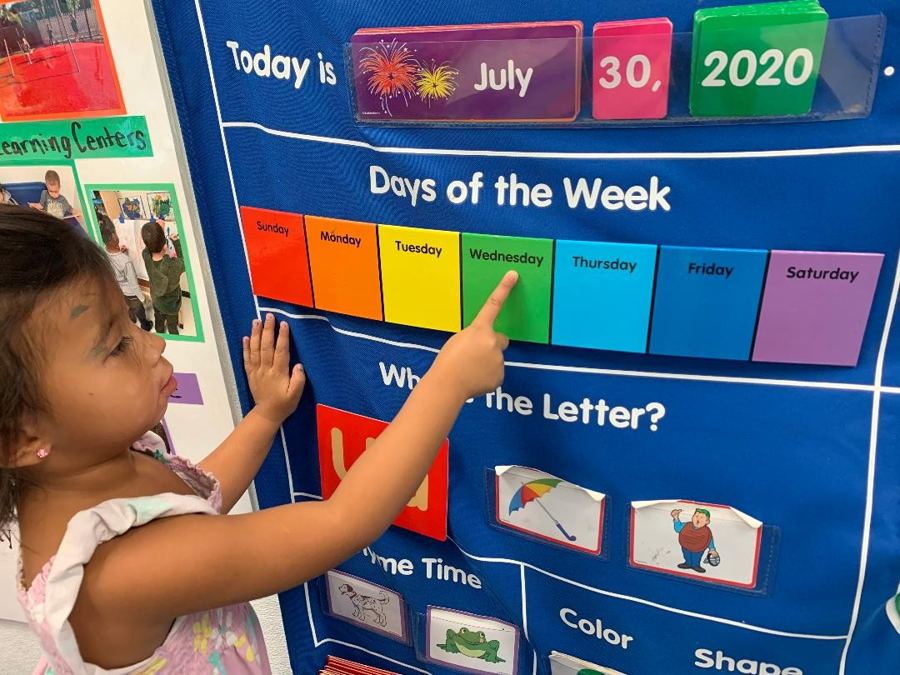
A child at the days-of-the-week boardChildren colouring together at the table
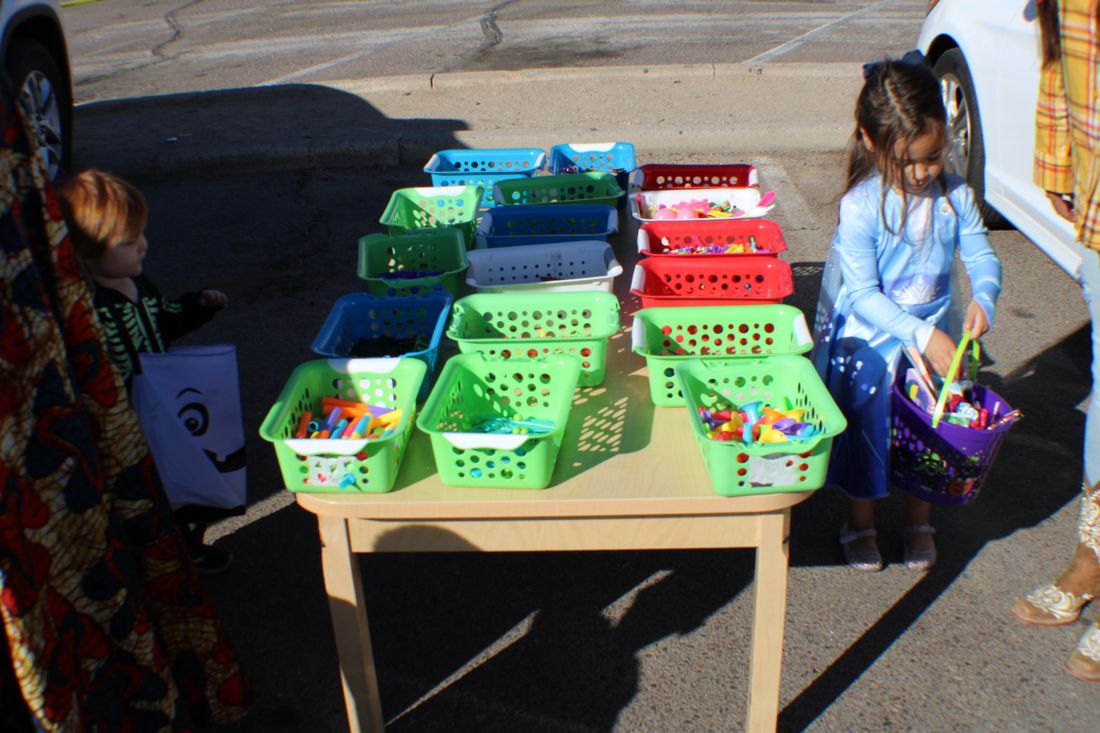
Activity baskets laid out on a table at Nana’s, ready for the day.
Activities, laid out and ready.
05Three years

A real preschool classroom.

Letters, numbers, songs and structure — the year it starts looking like school.

From three, the day has a curriculum in it rather than a rhythm alone. The centre’s director holds a master’s degree in special education, which matters most at exactly this age, when the differences between children start to show up as something other than temperament.

three to four years one caregiver to 13 children

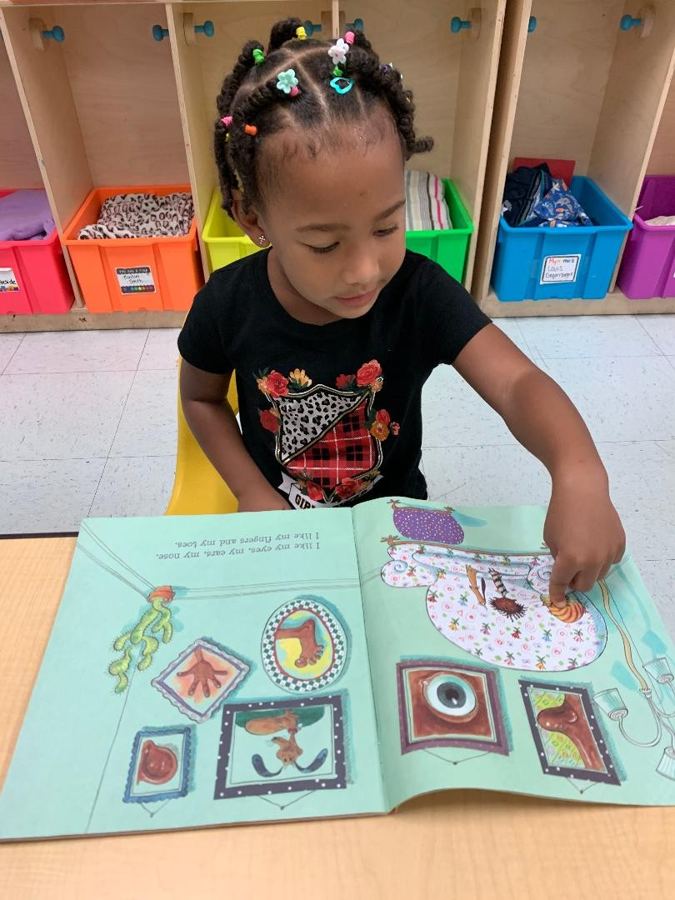
A child pointing at the letter wallA child reading a picture book at the table
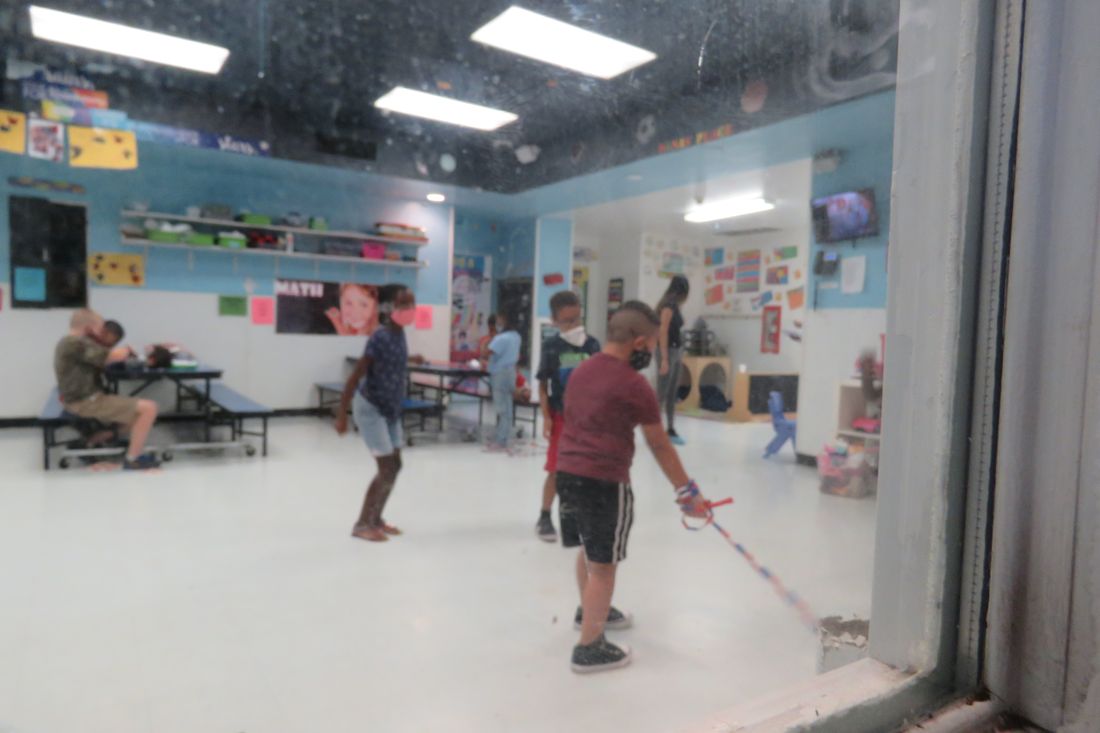
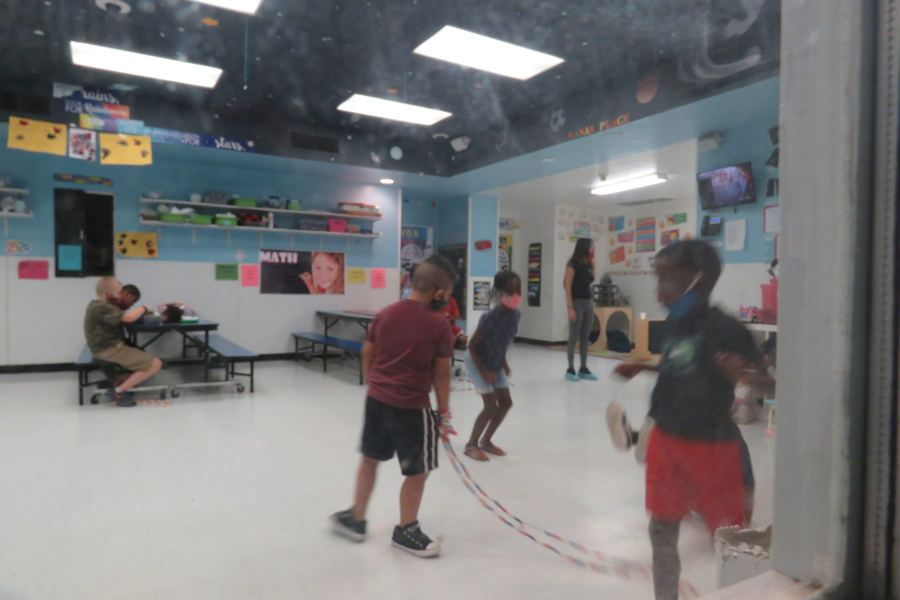
A real classroom at Nana’s: children busy across the room, work on the walls.
The classroom, mid-morning.
06Pre-Kinder

The year before kindergarten.

Getting ready for a school day — sitting, listening, finishing a thing that was started.

Pre-K is judged on one thing a year later: whether the child walked into kindergarten able to handle its shape. That means letters and numbers, but it mostly means attention, transitions and self-management.

four to five years one caregiver to 15 children

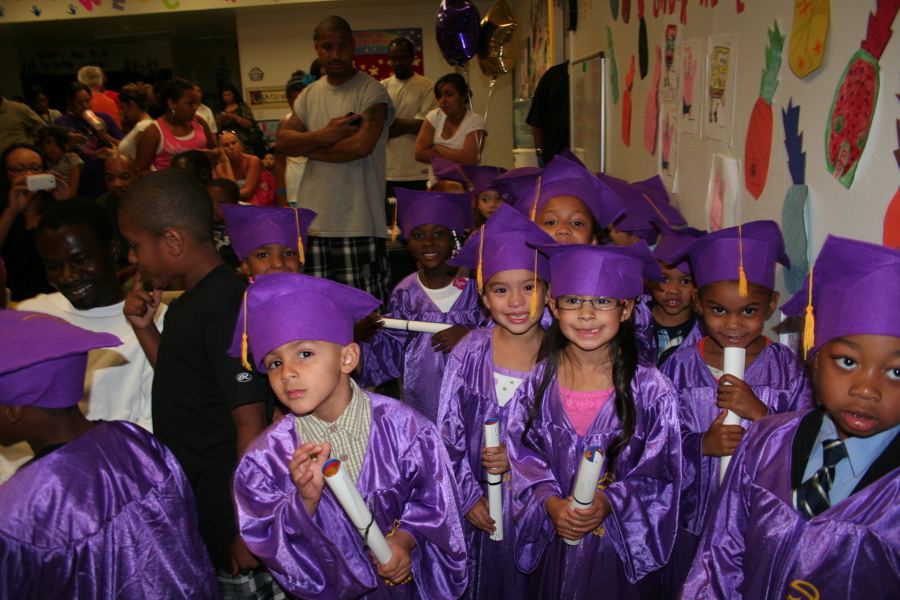
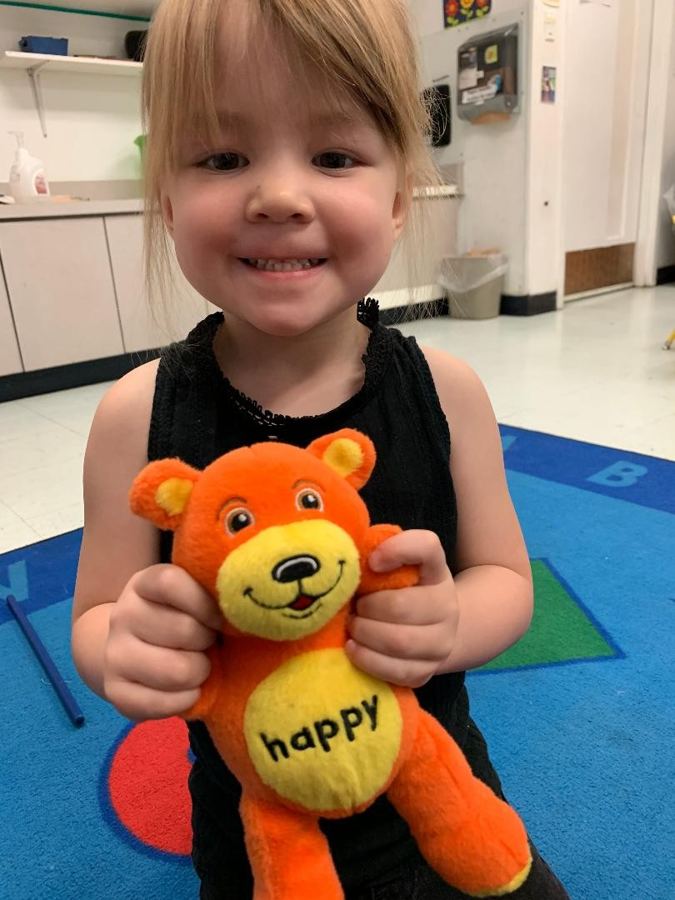
Graduation day in purple gownsA child hugging a teddy bear
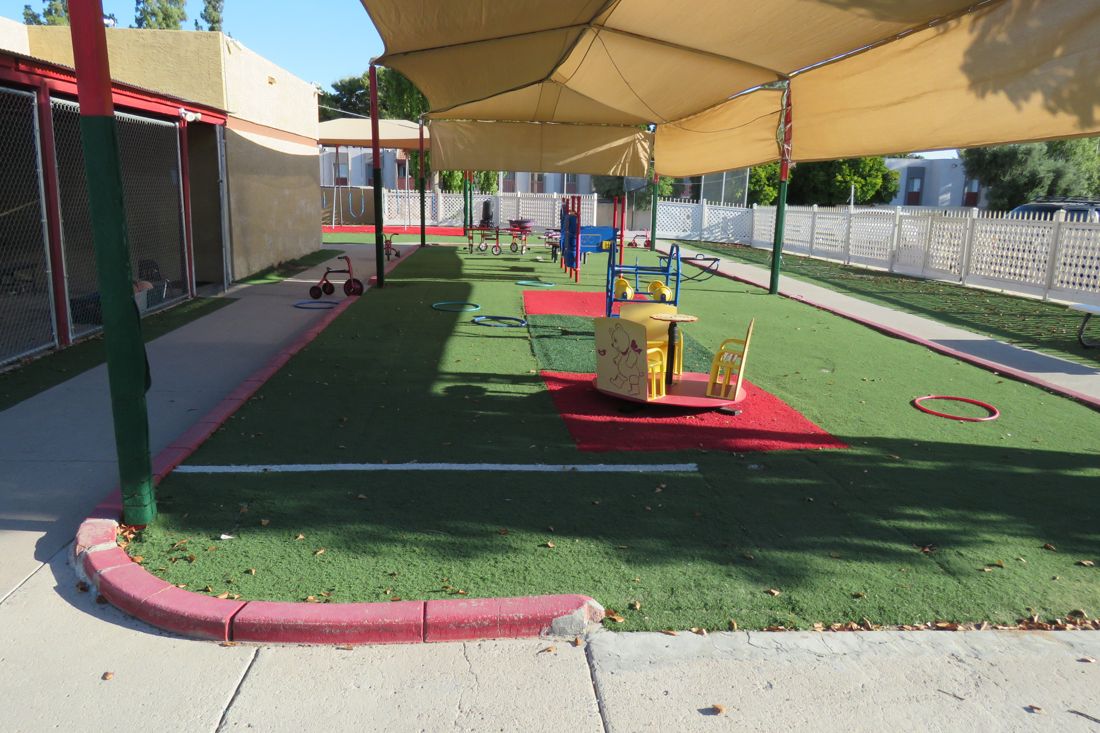
The shaded play yard at Nana’s: green turf and shade sails overhead.
The yard, under shade.
07School age

Before school, after school, and the weekend.

Homework, wind-down and a real bedtime for the older children of parents whose week doesn’t stop on Friday.

Our Upcoming Weekend Curricular Events & Activities — and our After School programs run right alongside them.

The weekend runs a curricular timetable of its own — Fitness & Aerobics 4pm–5pm, Learn To Draw and Color 11am–2pm, and Dance & Aerobics classes. Art, music, dance, theater and fitness, on the days most centres are shut.

School-age care is mostly logistics: getting a child from a school day into the rest of the day without a parent having to be in two places. For a shift-working family that gap is the whole problem, and it widens on weekends.

five to twelve years one caregiver to 20 children before school, after school, and through the night

Older kids playing in the indoor gymA class group photo at Nana’s
School-age children in costume at one of Nana’s community events.
Event day — the older kids.
A sample day, the way we plan it

Our fun exploration begins at 6 am each day, which includes reading and math fundamentals as well as science discovery. We end our day at 7:00pm. Our afterhours care begins at 7pm and ends at 5:59am. We also offer Saturday and Sunday care from 12am to 11:59pm. We offer full time, part-time, drop-ins, and infants to 12 years of age.

Arrival and social time, technology integration, tabletop activities, circle time, creative learning, outdoor play (weather permitting), nap for the younger children — drop-offs and pick-ups are discouraged during naptime — then creative arts, exploration and free-choice activities. The schedule flexes with seasons, weather, holidays and the needs of the preschool, and activities vary by age and classroom.

Fieldtrips are community-based instruction, announced per lesson and activity.

What to bring to preschool

A backpack or diaper bag with whatever applies to your child: a change of clothes, underwear, diapers or pull-ups, a toothbrush, jacket, blanket, pillow, and any medical supplies with a consent form. Individual cubbies are provided daily. Having fun is messy business — dress children for outdoor play, painting and tactile learning, and please leave anything of significant value at home.

08Cost by group

What each group costs a week.

Nana’s Academy is ready for back to school — learn more about our fall programs and schedule!

Six age groups by four schedules — the whole table rather than a “from” price. These are the rates charged at the front desk.

Two children, and then three

Every child after the first is charged at ninety per cent. The graphic is that arithmetic run out to four, on the infant full-time rate — change the rate and the shape is the same.

Registration is $75, once, per family rather than per child. Drop-in days are available when a schedule changes.

six weeks to twelve years

Meals are provided. Ask about specific meals and dietary needs when you call — that answer should come from the kitchen, not a web page.

Ask about your child’s age group.

The fastest way to get the ratio, the room and the weekly rate for one particular child is to ask for that child. Either location can answer on the phone.

Peoria · (623) 931-5015 Northern · (623) 435-2211