Raising bilingual kids is mostly about small habits repeated every day: stories, songs, talk at the table and a home language used with warmth, not pressure. Children pick up the language that comes with attention and fun.
Pick a language for each moment
Some families use one language at home and another outside; others give each parent a language. Any pattern works if it is steady. What matters is that your child hears plenty of each language from people who enjoy talking with them.
Read and sing in both
- ✓A bedtime story in Spanish, a morning song in English — or the other way round.
- ✓Let your child choose the book and the language now and then.
- ✓Sing the same songs in the car; repetition is how words stick.
Talk while you do ordinary things
Cooking together, folding laundry and walking to the car are language lessons. Name what you see, ask questions, and wait for an answer. Mixing languages in one sentence is normal for young bilingual children.
Keep it warm, not a test
Correcting every word can make a child go quiet. Repeat the phrase back the right way and keep the conversation going.
Screens and songs
Cartoons and songs in the home language can help, but they work best when an adult watches or sings along and talks about them afterwards. Language grows through conversation more than through listening alone.
Grandparents and family
Relatives who speak the home language are a gift. Short phone calls, shared recipes and family stories give a child a reason to use the language — and a sense of where they come from.
Choose care that speaks your language
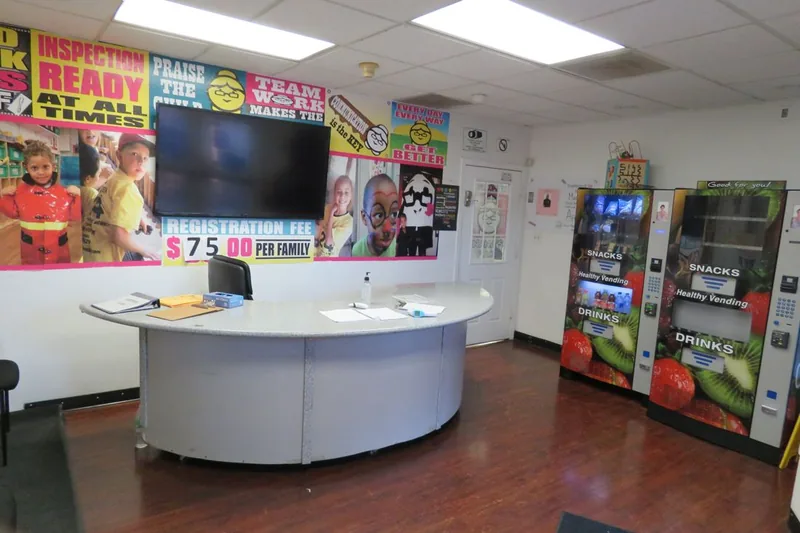
When the adults at drop-off speak your home language, it is easier to share how your child slept, ate and felt. At Nana's, English and Spanish are spoken at the front desk of both buildings — se habla español.
se habla español →Frequently asked questions
Will learning two languages confuse my child?
Mixing languages is common for young bilingual children. If you have questions about your child's speech, ask your pediatrician.